
For Owners
Malta’s New Short-Let Rules: A Host Compliance Guide for 2026
8 August 2026 · 6 min read
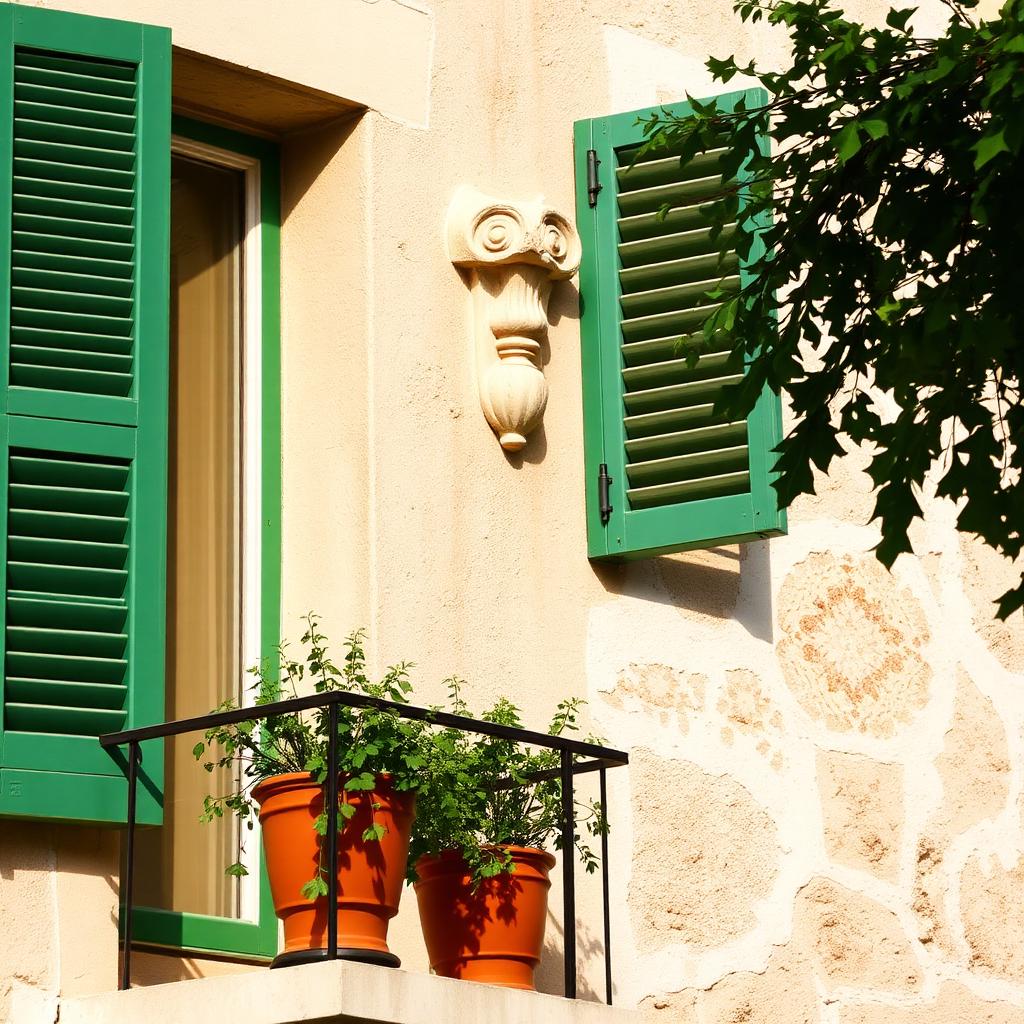
Malta’s appeal as a holiday destination has never been stronger. For property owners, that demand is an opportunity — but it also comes with a sharper set of rules. In April 2026, the Malta Tourism Authority brought into force the Tourism Accommodation Regulations, 2026 (S.L. 409.24), a consolidated framework under Chapter 409 of the Travel and Tourism Services Act. The message is clear: renting to tourists is no longer a grey area. If you let a home short-term, you need a licence, and you need to meet the conditions that come with it.
What counts as a short-let?
The regulations cover the properties most owners already advertise: apartments, studios, villas, farmhouses, terraced houses and maisonettes. In MTA terms, these are “holiday premises” — self-catering buildings that provide accommodation and services to tourists but are not hotels, guest houses or the owner’s ordinary residence. The moment you take paying guests for short stays, the property falls within the licensing regime.
The licence is not optional
Operating a short-let without prior MTA authorisation is now expressly prohibited. The licence is issued to the person with lawful rights over the property — the owner, an authorised agent, a lessee or another lawful holder — and the responsibility is real. Letting without a licence can lead to a three-year disqualification that attaches to the property itself, not just to the operator. That makes compliance a property-level asset, not a personal paperwork detail.
What the MTA expects from hosts
The application process asks for accurate operator information, a valid development permission issued by the Planning Authority, and certification by an architect that the premises conform to the approved permission and are fit for habitation. If the building pre-dates 1968, a Planning Authority pre-1968 compliance certificate is required instead. Owners must also submit adequate third-party liability insurance covering the property and common parts where relevant, plus a waste collection management plan.
Once the licence is granted, the obligations continue. A named natural person must be available on a 24-hour basis to handle complaints, with up-to-date contact details maintained at all times. The licence number and the 24/7 contact must be displayed at the property. If the unit is inside a condominium, the building administrator must be notified in writing once the licence is issued.
Occupancy and booking limits
The 2026 rules put hard numbers around capacity. Occupancy is capped at two persons per bedroom and ten persons per unit, unless the property has independent access from a public road. Basement areas may not be used as bedrooms. Bookings are also capped at a maximum of 90 consecutive days, which is the line that separates a short-let from a long-term residential tenancy.
Licences can be suspended or revoked for breaches relating to noise, waste or public health. That places a premium on reliable housekeeping, guest communication and the kind of day-to-day management that many owners simply do not have time to run themselves.
Tax and reporting
Rental income generated by short-lets must be declared to the Commissioner for Revenue. The exact tax treatment depends on your residency status, ownership structure and whether any flat-rate scheme applies, so a Maltese accountant is the safest place to get a precise answer. Good record-keeping — calendars, invoices, occupancy reports — makes that conversation much easier.
How CiaoStay keeps owners compliant
This is where full-service management earns its keep. CiaoStay helps owners prepare the licence application, liaise with the MTA and Planning Authority, and keep the required documentation in order. Our 24/7 guest support line acts as the named contact for complaints, and we display the licence number and contact details exactly where the regulations require.
We also run the operational side: hotel-grade cleaning, linen, maintenance, inspections, and a documented guest journey. That directly supports the standards the MTA checks for — safety, cleanliness, waste handling and noise management. Every month you receive a plain-language statement covering occupancy, revenue, costs and maintenance notes, which gives you the records you need for tax reporting without the paperwork headache.
A final note
The regulations are still bedding in, and the official guidance can be updated as the MTA refines its processes. This article is a practical overview based on the Tourism Accommodation Regulations, 2026 published by the Malta Tourism Authority, not legal advice. Before you apply, confirm the latest requirements with the MTA Licensing Department or a qualified Maltese professional.
If you own a home in Malta and want to rent it out without drowning in red tape, get in touch with CiaoStay for a free estimate. We will tell you what your property can earn and how we can keep it compliant from day one.